


























Google I/O 2026: The Biggest Search Update in 25 Years
Google I/O 2026: The Biggest Search Update in 25 Years
Something significant happened on May 19, 2026.
Google walked onto the stage at Shoreline Amphitheatre in Mountain View and announced what most people in the search industry had been quietly anticipating for years - not an incremental update, not a new feature layer, but a fundamental reimagining of what Google Search actually is.
After spending time going through every announcement carefully, here is an honest breakdown of what changed, why it matters, and what you should actually do about it.
The Number That Changes Everything
Before diving into features, one stat deserves its own moment.
AI Mode has taken less than one year to break one billion users per month with search requests multiplying over two times each quarter since its release.
The extent of this success can be seen through comparing this number with the fact that this new product does not serve as a secondary option that people might occasionally choose when searching with Google. AI Mode has become the main way for many people around the globe to communicate with Google Search.
The Search Box Just Got Its First Major Redesign Since 1998
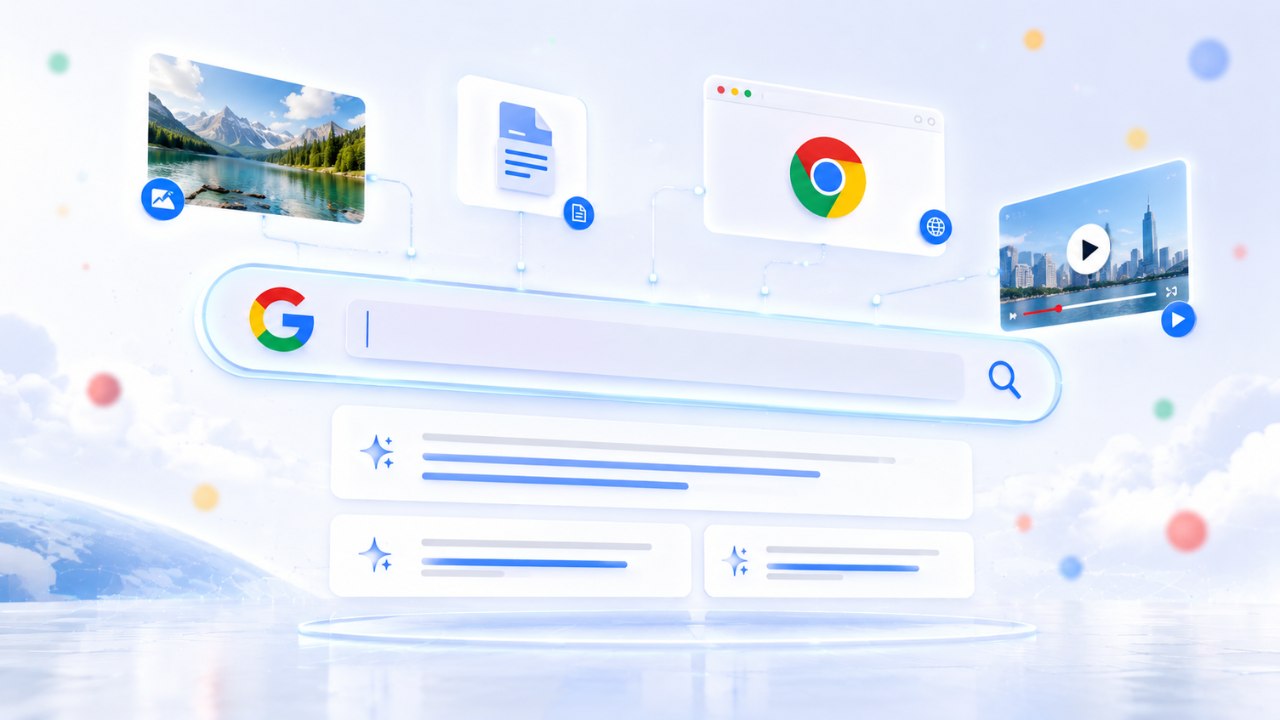
The Search box you have used since 1998 is gone. The new intelligent Search box is rolling out today in all countries and languages where AI Mode is available. It dynamically expands to fit longer, conversational queries, surfaces AI-powered intent suggestions that go well past traditional autocomplete, and accepts multimodal input directly - text, images, files, videos, and Chrome tabs.
This is genuinely significant. The way people type searches is about to change. Shorter, fragmented keyword queries will increasingly give way to longer, conversational descriptions of what someone actually needs. For content creators and SEO professionals, this reinforces something that has been true for a while but now becomes non-negotiable - writing for real human intent matters far more than writing for keyword patterns.
Gemini 3.5 Flash Is Now the Default AI Model
Gemini 3.5 Flash is now the default model in AI Mode for everyone globally starting May 19, 2026. It is built for sustained agent work and coding.
Every feature announced at I/O 2026 runs on this model. That means faster responses, stronger reasoning, and significantly more capable agent behaviour - which brings us to the most important announcement of the event.

AI Agents: Search That Works Without You
Here comes the real difference from what Search has ever seen.
Information agents will keep searching and synthesizing data from all over the web, providing regular updates to the users. They do not need to go to Google. They do not need to type a search query. These agents keep track of subjects you are interested in and bring you the results.Google added persistent background agents that kept watching the web without prompting from the user, as well as agentic booking for the local services.
This is a very important change for local businesses. When an AI agent is doing research for the person's needs, say on dental clinics, plumbers, or local restaurants, the issue is not anymore "will my website rank?" – Now the issue is "will the AI agent choose my business as a recommendation without even prompting from the user."
The answer lies in how effectively your online business presence shows its trustworthiness, relevance, and credibility.
Personal Intelligence Expands to Nearly 200 Countries
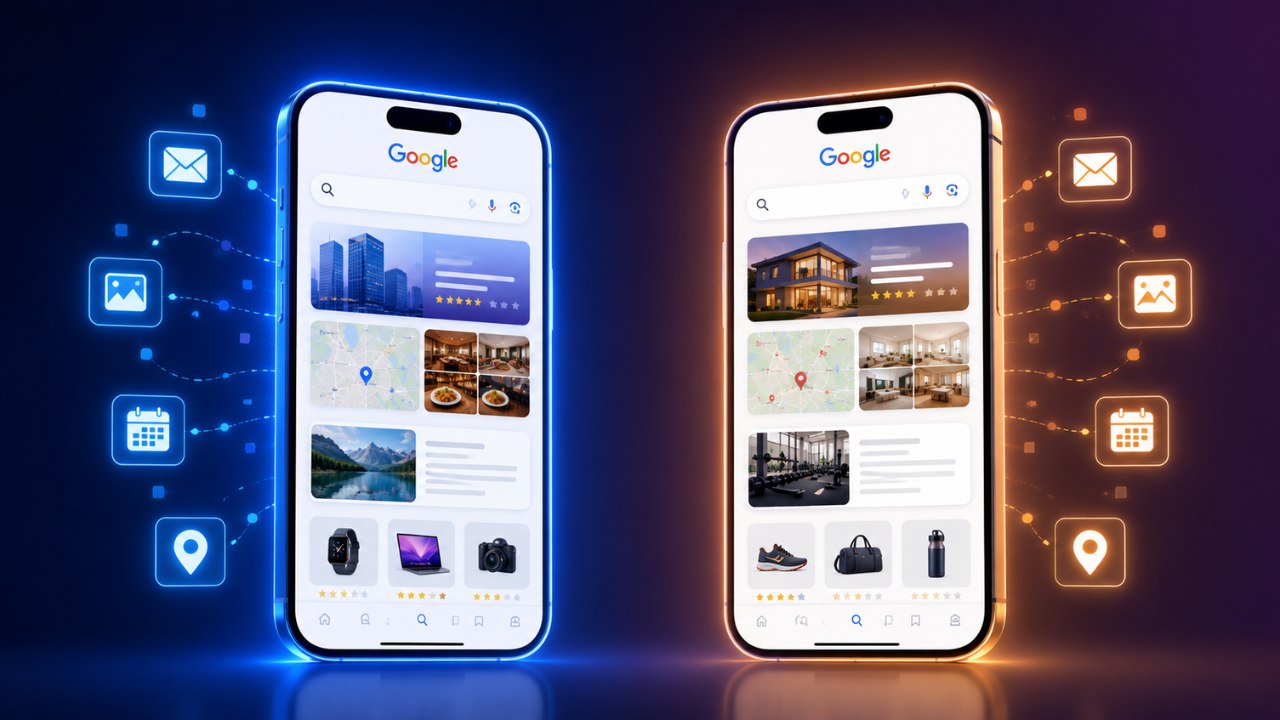
AI Mode’s Personal Intelligence links it with a user's Gmail account, Google Photos, and soon Google Calendar. By May 19, 2026, the function operated in nearly 200 countries and 98 languages without requiring a subscription. When two users type the same search query in the same city, it is now common for the results to differ based on the unique context of each individual. This marks a subtle yet massive change in the way that we view our rankings. Universal rank placements do not matter anymore; instead, we must consider if our brand is represented across multiple touchpoints enough times to ensure that personalized AI suggestions mention us.
Local businesses gain extra importance due to AI Mode's Personal Intelligence, in that presence across multiple touchpoints becomes more important than ever before.
What Google Says About Ranking in the AI Era
On May 15, 2026, Google published its first consolidated guide on optimizing for generative AI features in Search. The central message is direct: there is no separate strategy for AI search. The guide identifies five areas that support visibility in AI responses - unique non-commodity content, local and shopping optimization, accurate business data, genuine expertise and original research, and consistent presence across multiple platforms.
In plain terms - generic, easily replaceable content is being filtered out. Content that reflects real experience, original thinking, and genuine expertise is what earns inclusion in AI-generated responses.
What This Means Practically - Right Now
Here is what the May 2026 update actually demands from anyone serious about online visibility:
Write for humans, not keyword patterns. Conversational search means content needs to answer real questions in the way a knowledgeable person would explain them - not in the way a keyword tool suggests structuring a page.
Build presence beyond your website. Reviews, directory listings, Google Business Profile accuracy, and email touchpoints now directly influence whether AI agents surface your business in personalized responses.
Create content that AI cannot generate itself. Original research, first-hand experience, case studies, and genuine expert perspective are the content types that earn citations in AI responses. Summaries of things everyone already knows are worth less than ever.
Optimize for agent recommendations, not just clicks. As agentic booking and background agents become mainstream, the question shifts from driving clicks to earning AI trust - which means technical accuracy, structured data, and consistent information across every platform matter more than ever.
The Honest Summary
Google I/O 2026 was not about any one particular feature or update. What it was about is the formalization by Google of what has been happening quietly for the past year, which is that Search is officially an AI-first platform and the new rules of visibility have been set.
Those companies and creators who will adjust to this new reality and concentrate on being genuinely expert, having a presence across platforms, and creating content from human expertise will be better equipped than those companies that are continuing to optimise a dying search paradigm.
The new era of AI Search is not coming. It arrived on May 19, 2026.