


























Best Tips to Optimize Your Webstie and Content for SEO & GEO
With all that technology is advancing today, merely having high-quality courses is no longer enough. If you wish to attract more learners and increase your sales, then you need to make sure that your courses are found. That's where SEO comes into play. In this course, we will learn how to do SEO for your courses and content.
Why Is SEO Important for Online Courses?
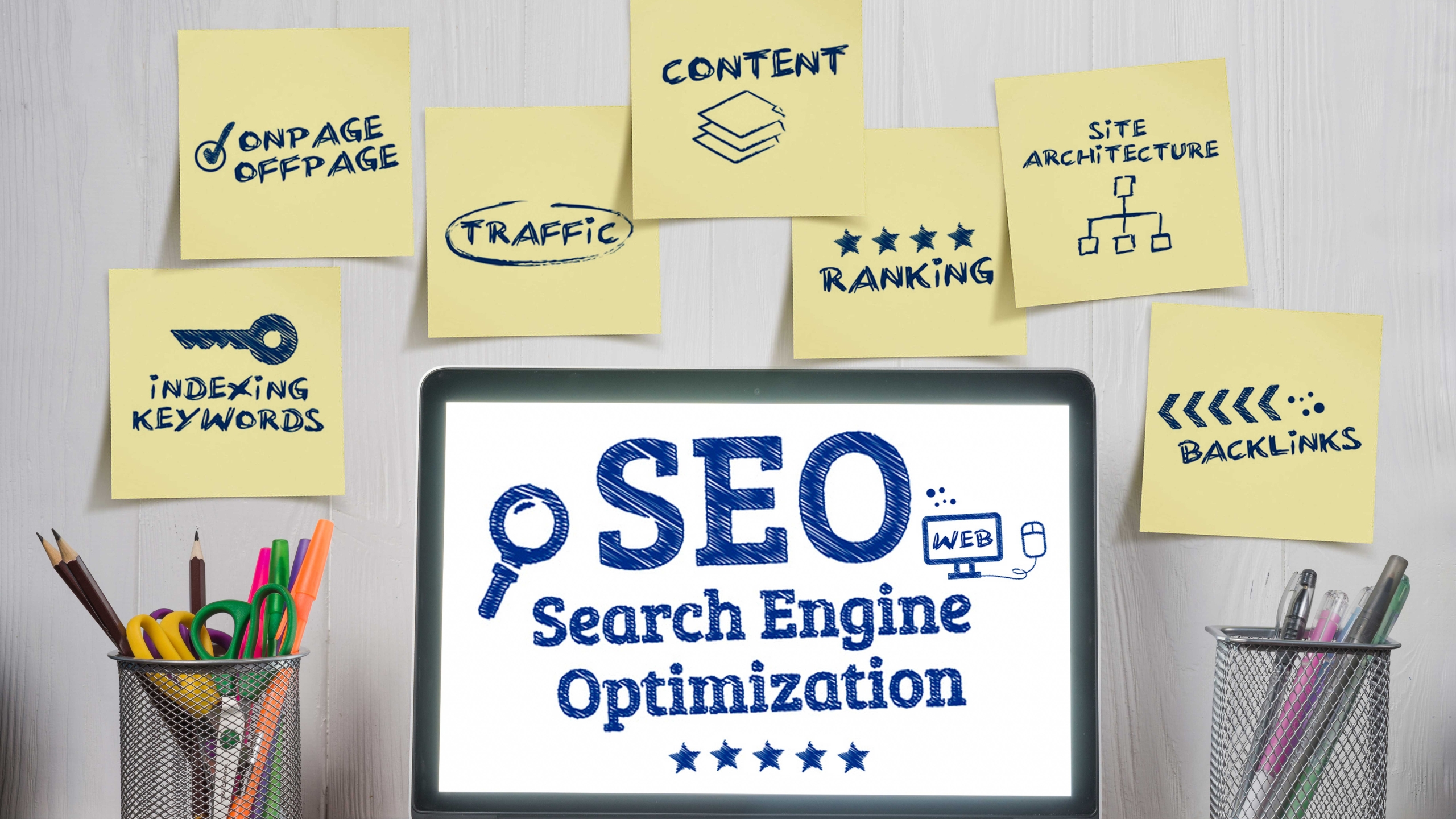
Search engines such as Google tend to be the first place that prospective students turn to when looking for educational information. Failure to optimize your courses for search engines can result in losing traffic to your competitors. SEO will help you make sure that your courses are seen by the search engines and get organic traffic.
Step 1: Start with Keyword Research
Keyword research is the cornerstone of every SEO campaign. Keywords represent the queries that your target audience uses when trying to find an online course. In order to identify relevant keywords:
1. Utilize keyword tools: You can utilize Google Keyword Planner, Uber Suggest, and other tools to help you find appropriate keywords that have high search volume and low competition.
2. Long-tailed keywords: The longer the keyword, which usually includes longer sentences such as "beginner graphic design course", is, the lower its competition will be and higher conversion rate.
3. Understanding the search intent: Is your visitor searching for some general information, trying to solve a certain problem, or is he/she looking for a particular course?
Tip: Always include your keyword naturally in your course title, course description, and throughout your course material. If your course title is "How to Optimize Your Course and Content for Search Engines" – ensure that you have used it in the heading section of your webpage.
Step 2: Optimize Your Course Landing Pages
Your course landing page is likely the first thing prospective learners see. Here are some tips to create an SEO-friendly landing page:
Target Keyword in Landing Page Title: Have a simple and clear title that contains your target keyword. For example, "How to Optimize Your Courses and Content for Search Engines".
Meta Description: Use the keyword within the meta description and try making it as attractive as you can for the user to click on it. For instance, "Get to know how to make your courses SEO-friendly and attract more enrollments with this SEO tips guide."
Use Headings and Subheadings: Use H1, H2, and H3 tags for breaking down your content. You can use the keyword wherever appropriate.
Alt Tags for Images: Add bolstering descriptions for your images. You can use keywords if required.
Step 3: Create SEO-Friendly Content
When it comes to SEO, Content is King. Here are tips to optimize your content for SEO:
1. Quality: Ensure your content is valuable and engaging and solves an issue.
2. Keywords: Utilize your keywords in your content wherever necessary.
3. Longer content: Longer content often ranks better but make sure the content is fitting and highly readable by your target audience.
4. Use a variety of media: Videos, graphics, and images make your content more lively and will ensure users spend more time on your page.
Step 4: Improve Website Speed and Mobile Optimization
Sites which load faster and those which are mobile friendly are preferred by Google when it comes to search. How will you confirm that your site qualifies these criteria?
Image Compression is an absolute necessity: There are several tools available on the internet for image compression like Tiny PNG, or similar web tools if you want to retain the quality while saving space.
Code Minification will lower the loading time of your site: Many times, there are several pieces of unnecessary code, which we have to remove.
The website needs to be responsive: This means the website should function well on all devices such as mobiles, tablets, etc.
Website speed testing is also absolutely necessary: You may use Google Page Speed Insights or any other tool.

Step 5: Leverage Internal and External Links
Backlinks are very important in SEO as backlinks give an idea to the crawlers about how your content is structured and they add credibility.
Internal Links: Link to other pages on your website like other courses or blog posts that have been written regarding the course so that people can be guided and also stay on your website for a longer period.
External Links: Add external links to credible sources. It will not only improve the quality of your content but also make it more trustworthy.
Make Backlinks: Another way to make backlinks is to get backlinks from other websites. You can make them through guest blogging, collaboration, or even by writing something that can be shared.
Step 6: Optimize for Local SEO (If Applicable)
If you're aiming to ensure that people in one specific geography find you, you want to use local SEO!
Use Location-Based Keywords: Ex. "online marketing class in New York."
Create a Google Business Profile: Make sure the listing is optimized with correct contact information and descriptions.
Ask for Reviews: If you have small business accolades, it makes you trustworthy and will show up higher in local searches.
Step 7: Regularly Update and Monitor Your Content
It is not just something you do once. Here are some tips that will help you to either maintain or improve your search engine ranking.
Update Content: Make sure that you are regularly updating your older blog content, course descriptions and landing pages. You can add fresh content using new keywords about your content.
Analytics: Google Analytics or Google Search Console is a tool which can tell you a lot of things about your keyword ranking, traffic and user behavior.
Broken Links: Don't link to any broken page or websites. This will make your SEO ranking bad.
How To Optimize Your Courses And Content For Search Engines
The ability to understand how you can optimize your courses and content for search engines is very important when you develop your online education business. This will increase your chances of appearing on search engines by doing keyword research, creating the best content and improving website performance.
SEO may take time, but the results will pay off in the end. Start implementing the advice from this article now.